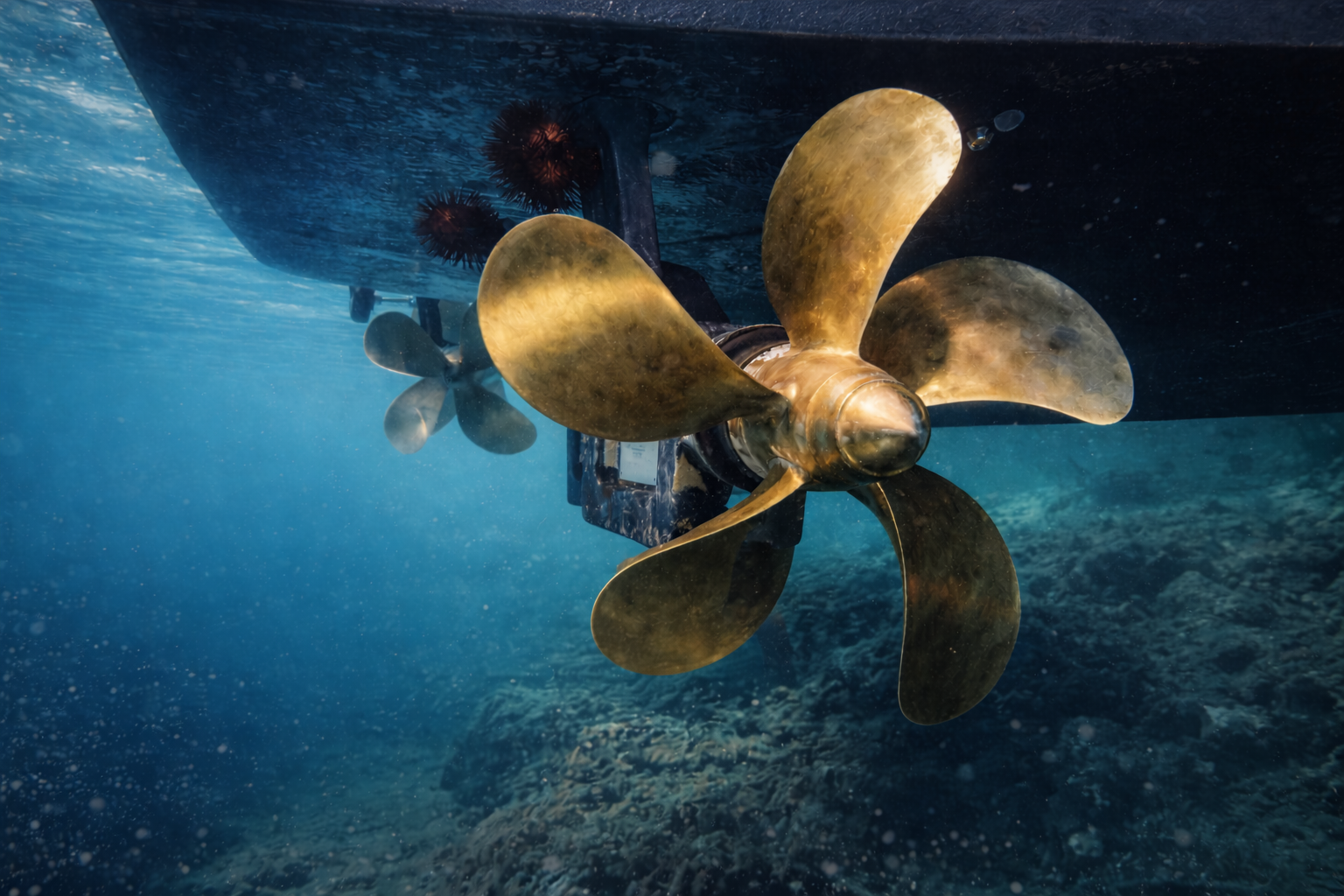
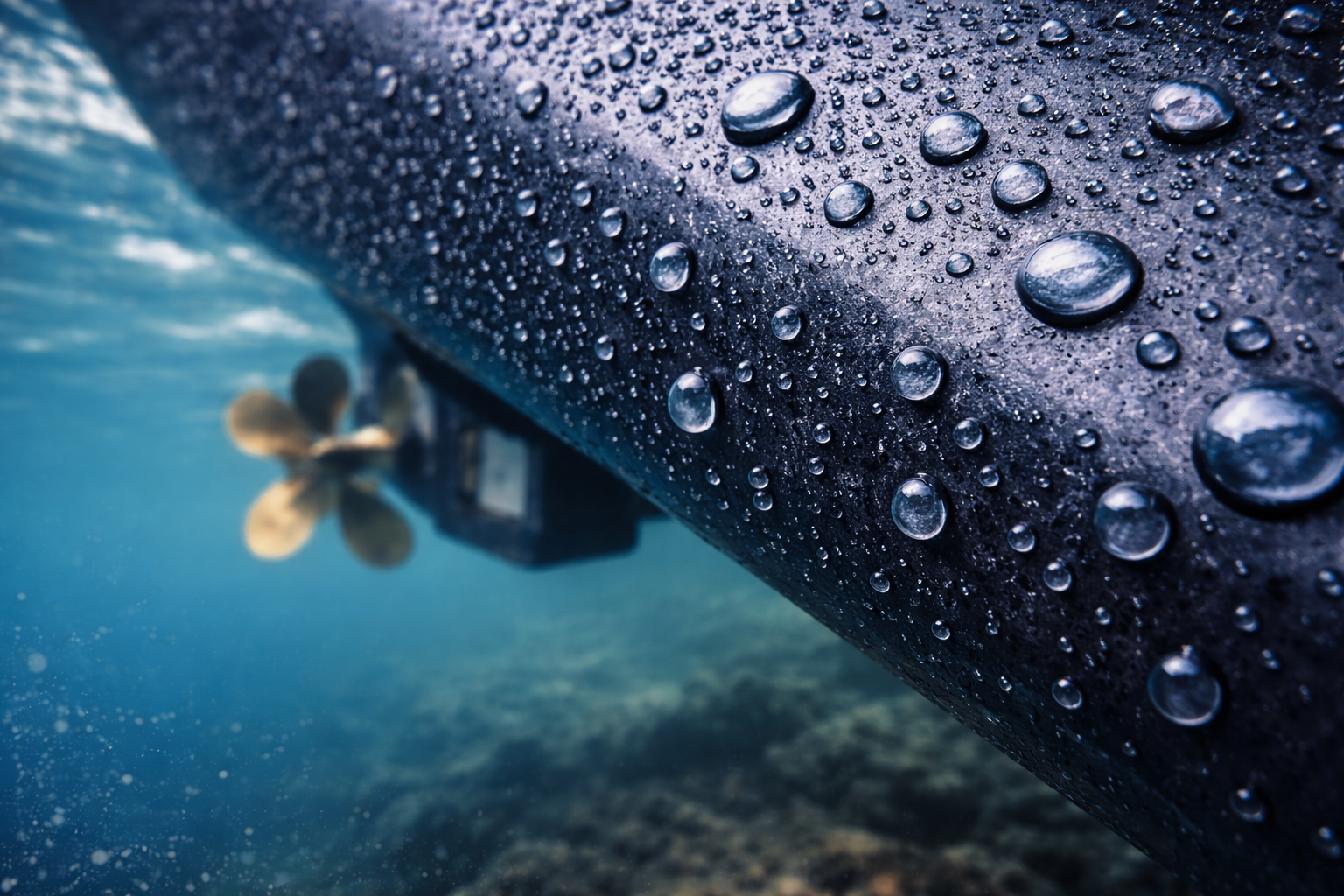
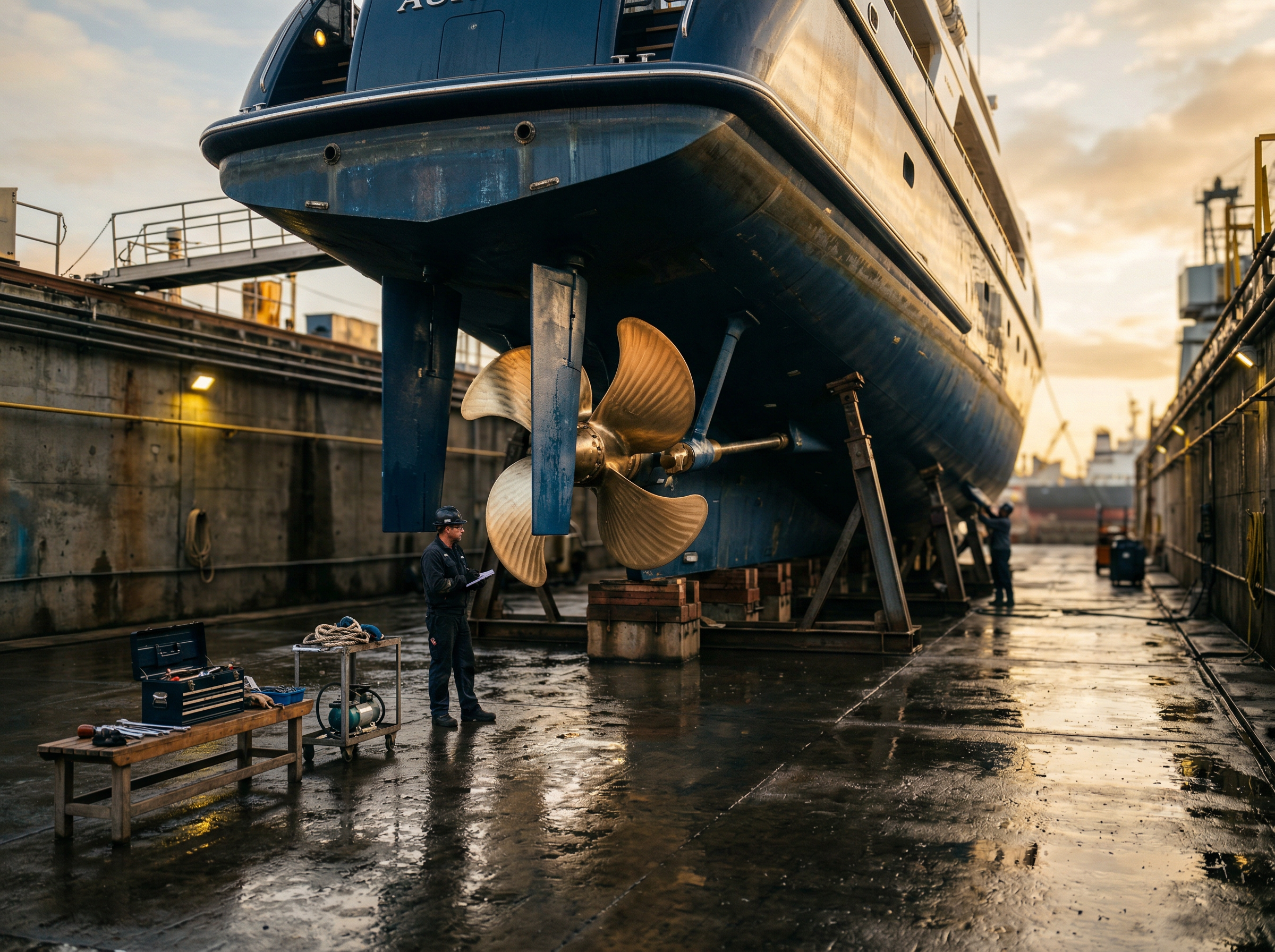
Marine operators have long accepted a cycle of stripping, rebuilding, and recoating underwater metal as standard practice. For decades, multi-layer antifouling systems have dominated the industry, built on sacrificial wear, chemical depletion, and periodic
Marine fouling has challenged vessel operators for centuries. Barnacles, algae, slime, and encrusting organisms naturally seek stable surfaces to colonize. Traditional solutions relied on toxicity — preventing attachment by creating hostile chemical environments. Modern
When evaluating underwater metal protection, many operators focus on initial product cost. Yet the true financial impact lies not in purchase price — but in lifecycle expense. Strip cycles, labor hours, downtime, fuel inefficiency,